
Buying and Renovating Trulli and Masserias: From Property Search to Completion
In this article, we look at the main steps to consider when buying and renovating a trullo or masseria in Puglia, with particular attention to historic properties in the Itria Valley.
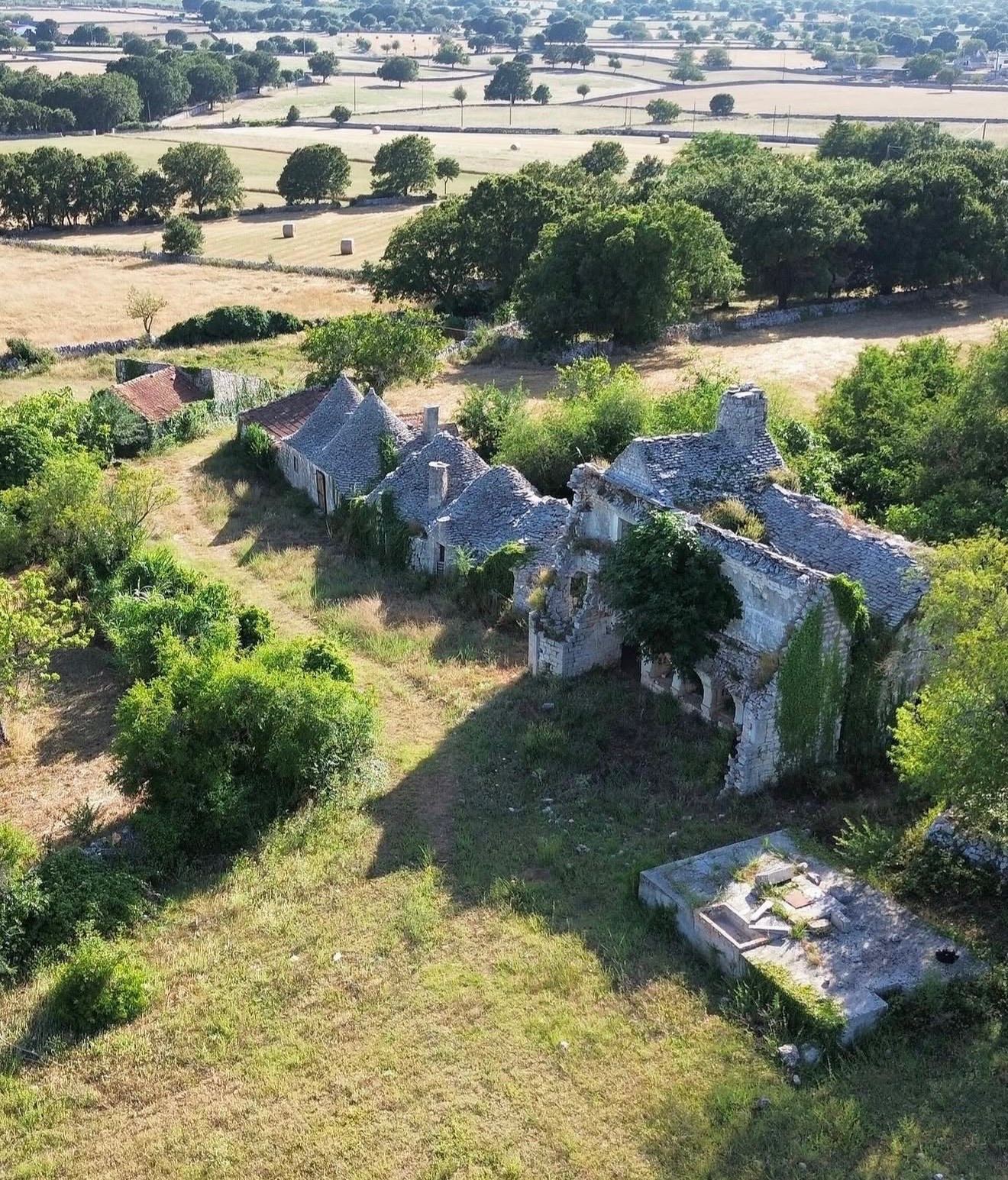
Buying a trullo or a masseria to renovate in Puglia means investing in a unique property, but also undertaking a project that requires technical assessments, careful consideration of planning and landscape regulations, and proper planning of the works.
1.PROPERTY SEARCH AND PRELIMINARY ASSESSMENT
The first step is to clearly define the budget and objectives of the purchase.
A trullo to renovate can be intended as a private home, holiday home, accommodation facility or real estate investment. The intended use and the desired level of renovation will inevitably influence the choice of property and the overall budget.
The search can be carried out through real estate agencies, private sellers, auctions, specialised property portals or local contacts. In the case of trulli and masserias, local knowledge can be particularly important for finding properties that are not always listed on the main real estate portals.
Once a first selection has been made, it is essential to visit the properties in person, assessing not only the appearance of the building but also its location and characteristics.
The elements to check include:
accessibility to the property;
connections to the main roads and nearby towns;
availability and connection of utilities;
condition of the building;
condition of the cones, walls and roofs;
presence of land and outbuildings;
any planning and landscape restrictions.
At this stage, it is advisable to identify a qualified professional, such as a surveyor, architect or engineer, who can support the buyer during the subsequent technical and documentary checks.
2.TECHNICAL AND LEGAL ASSESSMENT BEFORE PURCHASE
Before purchasing a trullo or masseria, it is essential to have a clear understanding of what you are buying and which interventions can actually be carried out.
This stage includes both legal and documentary checks and a technical assessment of the property.
The property due diligence process involves checking, among other things, ownership details, any mortgages or liens, cadastral and planning documentation, as well as the presence of landscape restrictions or other constraints affecting the property.
At the same time, the appointed professional and construction company can assess the condition of the building. In the case of a trullo, for example, it is important to inspect the condition of the cones, walls, roofs and openings, as well as checking for damp or structural issues.
These assessments also make it possible to prepare a preliminary estimate of the renovation costs.
It is not enough to consider the purchase price: the overall investment should also include structural consolidation and restoration works, systems, windows and doors, finishes, external works and all other interventions required to make the property functional and suitable for its intended use.
A preliminary cost assessment therefore allows the buyer to approach the negotiation and purchase proposal with greater awareness.
3.PURCHASING THE PROPERTY
Once the necessary checks have been completed and an agreement has been reached between the parties, the purchase process can begin.
Generally, the process includes signing the preliminary sale and purchase agreement, commonly known in Italy as a compromesso, followed by the signing of the final deed of sale before a notary.
Before completing the purchase, it is important to ensure that the property's documentation has been properly checked and that all the necessary conditions for the sale have been verified.
At this stage, it may also be necessary to consider obtaining a mortgage or other financing, taking into account not only the cost of the property but also the planned renovation investment.
For a complete renovation project, having a realistic view of the available budget from the outset is essential.
4.RENOVATION DESIGN AND PERMITS
Once the property has been purchased, the project enters the design phase.
The appointed professional carries out a measured and photographic survey of the trullo, masseria or property complex. Based on this information, a feasibility study can be developed to assess which interventions can be carried out and how the spaces can be organised.
The project must take into account both the owner's needs and the architectural characteristics of the property.
In the case of historic trulli and masserias, this aspect is particularly important: materials, walls, cones, roofs and other original elements may be subject to specific protection requirements.
When a property is subject to restrictions, the project must therefore be discussed with the relevant authorities and, where necessary, with the Superintendency for Cultural Heritage.
Depending on the type and scope of the works, different building permits or procedures may also be required, such as CILA, SCIA or a Building Permit.
Before the works begin, it is therefore essential to obtain all the necessary authorisations and assess the possibility of accessing any tax incentives and renovation bonuses available for the planned works.
5.ORGANISING THE WORKS AND CHOOSING THE CONSTRUCTION COMPANY
Once the project has been defined and the authorisation process completed, the construction site can be planned.
Choosing a construction company specialised in the renovation of trulli and masserias is an important step, particularly when working on historic properties built using traditional techniques and materials.
Before work begins, the planned interventions should be clearly defined through a detailed quotation and specifications document.
The specifications make it possible to identify the planned works, construction activities, materials and quantities, reducing the risk of misunderstandings during the execution phase.
At this stage, schedules, working procedures and contractual conditions are also defined.
When necessary, the connection of utilities, such as electricity, water, gas and internet, should also be organised and coordinated with the different stages of the construction work.
6.CARRYING OUT THE RENOVATION WORKS
This is the stage in which the project takes concrete shape.
The works normally begin with the cleaning and securing of the construction site, followed by the interventions included in the project.
For a complete renovation of a trullo or masseria, the works may include:
structural consolidation;
work on foundations and walls;
restoration and consolidation of the cones;
modification or restoration of openings;
replacement of floors and roof structures;
restoration or installation of flooring;
insulation and waterproofing;
restoration of exposed stone surfaces;
internal plastering and finishes;
painting and lime-based finishes;
electrical systems;
water and heating systems;
drainage and sewage systems;
installation of windows and doors;
external works and landscaping.
Each intervention must be carried out taking into account the characteristics of the building and any restrictions affecting the property.
In the restoration of a trullo, for example, the recovery of the cones and stone walls requires specific expertise and particular attention to traditional construction techniques.
In the case of a masseria, the project may involve a wider group of buildings and outdoor spaces, from residential areas and former service rooms to courtyards, gardens, surrounding areas and swimming pools.
The aim of the renovation is not only to restore the building, but to make it functional, safe and energy-efficient, adapting it to contemporary needs while preserving the architectural features that make it distinctive.
7.FURNISHING AND LANDSCAPING THE OUTDOOR SPACES
Once the construction works have been completed, the project moves on to the final stage of completing the interiors.
The choice of furniture and accessories should be coordinated with the interior design: kitchens, bedrooms, bathrooms, living areas and service spaces are organised according to the intended use of the property.
Outdoor spaces are also an integral part of the project.
Gardens, pergolas, pathways, paved areas, outdoor lighting and parking areas can be designed to improve the usability of the property and make the most of the available space.
In the case of a masseria or a trulli complex, outdoor works may also include the construction of a swimming pool, always in compliance with the characteristics of the site and the necessary permits.
8.INSPECTIONS, COMPLETION OF PAPERWORK AND HANDOVER
The final stage involves all the checks required before the project is officially completed.
Depending on the type of work carried out, structural testing and technical inspections of the systems may be required, together with the procedures established by current regulations.
At the end of the renovation, cadastral records are also updated where necessary, and the building procedures are completed with the relevant notice of completion of works.
The necessary procedures concerning habitability and usability are then completed, followed by a final inspection of the property together with the owner.
Only after all these steps have been completed can the trullo or masseria be handed over in its new configuration.
Renovating a trullo or masseria: why it is important to rely on specialised professionals
Buying a trullo to renovate in Puglia or a masseria in the Itria Valley requires a comprehensive approach to the project.
The value of the property does not depend solely on its location or architectural features, but also on its condition, the restrictions affecting it and the actual possibility of carrying out the desired works.
For this reason, it is important to approach the project with the support of qualified professionals and a construction company with a thorough understanding of the construction characteristics of traditional buildings in Puglia.
For Serra, renovating trulli and masserias means combining technical expertise, knowledge of materials and experience in restoring traditional Puglian architecture with the needs of those who want to transform a historic property into a contemporary and functional space.
From the initial assessment of the property to the completion of the works, every stage needs to be carefully planned.
Because buying a trullo or a masseria is the first step. Turning it into a concrete project is the work that comes next.