
Restoration and Sustainability: How to make a trulllo more efficient
Renovating a trullo means working on a historic building characterised by specific materials, construction techniques and architectural features.
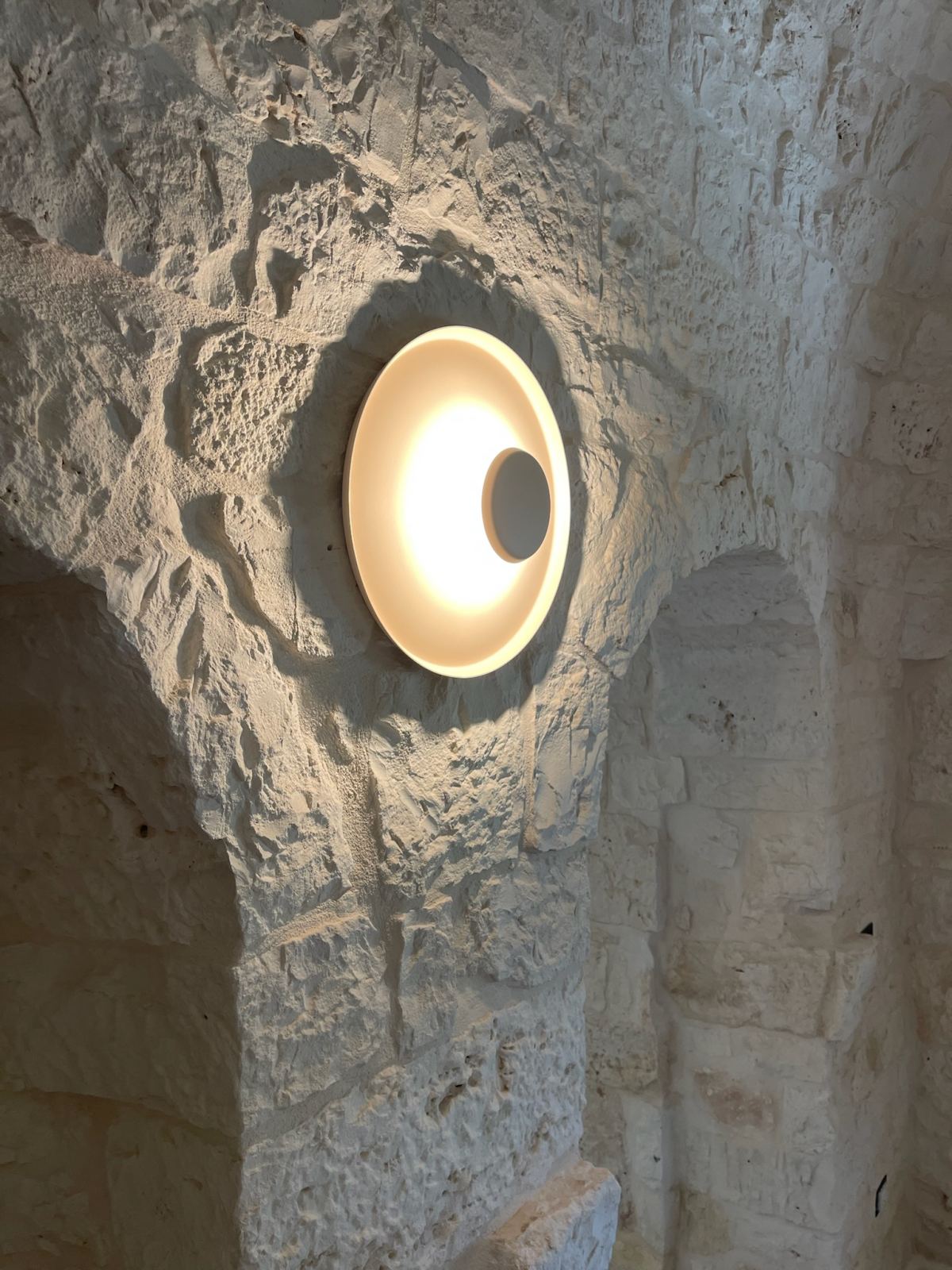
Today, it is possible to improve the comfort and energy efficiency of a trullo without compromising its identity.
Natural insulation, high-performance windows and doors, efficient systems and water recovery solutions are some of the options that can be integrated during a restoration or renovation project.
The goal is to find the right balance between preserving the original characteristics of the building and meeting modern requirements for comfort, efficiency and sustainability.
1.natural insulation
The thick stone walls of trulli already provide good thermal insulation. During a renovation, however, it is possible to further improve the building’s performance by choosing materials that are compatible with the existing structure.
Possible solutions include:
breathable lime-based plasters, which help regulate humidity and allow the walls to maintain their breathability;
natural insulation made from wood fibre or hemp, which can be carefully integrated without altering the architectural characteristics of the trullo.
The choice of insulation should always take into account the characteristics of the existing walls and traditional construction techniques.
2.high-performance windows and doors
Doors and windows are another important element when improving the energy efficiency of a trullo.
Replacing existing windows and doors with high-performance solutions, such as timber or timber-aluminium frames with thermal break technology, can help reduce heat loss and improve indoor comfort.
The choice of frames should also take into consideration the aesthetic and architectural characteristics of the property, maintaining a coherent relationship with its traditional structure.
3.efficient and sustainable systems
Renovating a trullo is also an opportunity to upgrade its systems and reduce energy consumption.
Possible solutions include:
solar panels and photovoltaic systems, which can be discreetly integrated while respecting the property’s landscape and architectural restrictions;
heat pumps, which can efficiently heat and cool indoor spaces;
underfloor heating systems, which provide an even distribution of heat and can be integrated when floors are being renovated.
The design of these systems must take into account both the required performance and the specific characteristics of the historic building.
4.water collection and management
Sustainable water management is not a new concept for trulli. Historically, many of these buildings were equipped with cisterns for collecting rainwater, a system designed to make use of a naturally available resource.
During a restoration project, where the condition of the property allows it, these systems can be restored and enhanced.
Collected rainwater can, for example, be used to irrigate gardens and vegetable plots, helping to reduce waste and the consumption of drinking water.
5.local materials and reuse
Sustainability also depends on the choice of materials.
Local stone, wood, Chianche stone slabs and original paving can be recovered and reused, whenever technically possible, during restoration and renovation works.
In addition to preserving the authenticity of the property, reusing existing materials can reduce the need for new materials and the environmental impact associated with their production and transportation.
In a trullo, recovering original elements is therefore both an aesthetic choice and an important part of the conservation project.
6.lighting and home automation
Lighting can also contribute to making a trullo more efficient.
Using LED lighting together with home automation systems for managing lighting, energy consumption and climate control makes it possible to optimise energy use and improve everyday comfort.
Technology can be integrated into the interiors without altering the distinctive appearance of the structure, making it easier to manage temperatures, lighting and energy consumption according to actual needs.
Making a trullo more sustainable does not mean changing its identity, but enhancing its characteristics and integrating them with contemporary needs.